
Ayurvedic Healing Properties of Cardamom_ The Queen of Spices for Mind, Body & Spirit
Ayurvedic Healing Properties of Cardamom
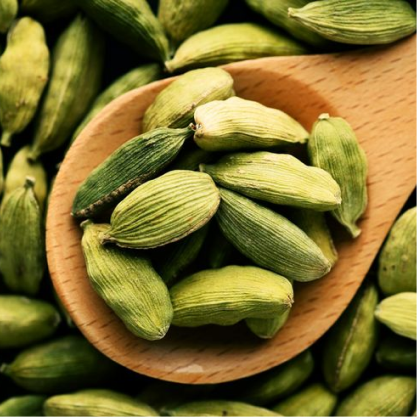
When we think of Ayurveda, we think of nature’s gentle wisdom — herbs and spices that not only flavor our food but nurture our health. One such treasure is cardamom, or Ela as it’s called in Sanskrit. Revered for thousands of years, cardamom holds a sacred place in Indian kitchens and Ayurvedic formulations. Beyond its fragrant allure, this small green pod carries powerful healing energy that has soothed bodies and minds since ancient times.
In this blog, let’s explore how Ayurveda celebrates cardamom for its balancing, detoxifying, and rejuvenating properties — and how you can incorporate it into your daily life.
Cardamom: The Queen of Spices for Mind, Body & Spirit
Cardamom, revered in Ayurveda, aids digestion, clears toxins, and calms the mind, truly earning its title as the Queen of Spices. Its sweet warmth balances the body’s energies and lifts the spirit. Experience cardamom’s magic in our Omdhatu Blue Booster Tea—a unique blend combining cardamom, butterfly pea, dry ginger, and green tea for vibrant health and holistic well-being.
A Glimpse into the Legacy of Cardamom in Ayurveda
Cardamom (Elettaria cardamomum) is called the “Queen of Spices” in Ayurveda. Native to the lush forests of southern India, it has been a part of Ayurvedic texts and practices for over 3,500 years. Ancient healers described it as a Sattvic spice, meaning it promotes clarity, harmony, and mental peace.
Unlike pungent or overly heating spices, cardamom offers a gentle warmth that balances all three doshas — Vata, Pitta, and Kapha — when used mindfully. Its sweet, aromatic nature is particularly celebrated for pacifying Vata’s dryness and Pitta’s fiery temperament, while lightening excessive Kapha.
Key Ayurvedic Properties of Cardamom
In Ayurvedic terminology, cardamom’s healing power is described through its Rasa (taste), Guna (qualities), Virya (potency), and Vipaka (post-digestive effect).
- Rasa (Taste): Sweet, slightly pungent
- Guna (Qualities): Light, dry
- Virya (Potency): Heating
- Vipaka (Post-digestive effect): Sweet
Because of this combination, cardamom:
✅ Stimulates digestive fire (Agni) without aggravating Pitta
✅ Clears Ama (toxins) gently
✅ Soothes the nervous system
✅ Uplifts mood and calms the mind
Top Ayurvedic Healing Benefits of Cardamom
Let’s uncover why Ayurvedic practitioners recommend cardamom for overall wellness:
1️⃣ Enhances Digestion & Reduces Bloating
Cardamom is a natural deepana (appetizer) and pachana (digestive). It helps kindle sluggish digestion without causing overheating. A pinch of cardamom in tea or after meals can:
✔ Relieve gas and bloating
✔ Reduce nausea
✔ Support proper assimilation of food
Many traditional Ayurvedic remedies for indigestion, including Trikatu blends, often include cardamom for its gentle effect.
2️⃣ Supports Respiratory Health
Cardamom’s expectorant properties help clear mucus and open up respiratory channels. It is often used in herbal decoctions for cough, cold, and congestion. Ayurveda believes that cardamom helps to balance Kapha in the lungs and sinuses, making it easier to breathe freely.
A soothing remedy: Cardamom-infused warm water with honey can provide relief during seasonal illnesses.
3️⃣ Natural Detoxifier
Cardamom gently stimulates the elimination of wastes from the body. Its mild diuretic action helps flush toxins through the urinary tract, supporting kidney health. In Ayurveda, cardamom is sometimes added to herbal detox teas to promote internal cleansing.
4️⃣ Freshens Breath & Promotes Oral Health
Chewing cardamom seeds is an age-old Ayurvedic tip for keeping the breath fresh and the mouth clean. Its antimicrobial properties help fight harmful bacteria in the mouth, reducing the risk of gum infections and bad breath.
5️⃣ Promotes Mental Clarity & Reduces Stress
As a Sattvic spice, cardamom is known to uplift the mood and bring lightness to the mind. It helps calm the nervous system, making it beneficial for people who experience anxiety, irritability, or restlessness.
Try sipping cardamom tea during stressful days — the aroma itself can have a grounding effect.
6️⃣ Balances Blood Sugar (When Combined with a Healthy Lifestyle)
Ayurvedic healers have traditionally used cardamom as part of herbal blends that support healthy metabolism. Though not a standalone cure, cardamom’s warming nature helps regulate digestive fire, which in turn may support balanced blood sugar levels.
7️⃣ Boosts Libido & Vitality
Cardamom is considered mildly aphrodisiac in Ayurveda. It is sometimes used in rejuvenating tonics to promote vitality and energy, especially in men.
Experience Cardamom’s Goodness with Blue Tea
If you’d like an easy way to enjoy cardamom’s benefits, try our Omdhatu Blue Booster Ayurvedic Tea.
Our unique blend combines cardamom with butterfly pea flower, green tea, and dry ginger, delivering not only wellness benefits but also a mesmerizing blue color.
This Ayurvedic tea supports digestion, uplifts the mood, and offers antioxidant protection in every sip. It’s a perfect daily ritual to nurture your body and mind naturally.
How to Use Cardamom in Your Ayurvedic Routine
- Morning Detox Water: Add a crushed pod of cardamom to warm water with lemon for a gentle detox.
- Digestive Tea: Boil cardamom with ginger and fennel to make a soothing tea after heavy meals.
- Sweet Treats: Sprinkle powdered cardamom over fruit, kheer, or Ayurvedic sweets for flavor and balance.
- For Breath Freshening: Simply chew on a seed or two after meals.
- Aromatherapy: Inhale cardamom’s scent to lift fatigue and mental fog.
Precautions & Mindful Use
While cardamom is safe for most people, Ayurveda always encourages balance.
- Avoid excessive use if you’re prone to hyperacidity.
- Pregnant women should consult an Ayurvedic doctor before using large amounts medicinally.
- If using cardamom essential oil, always dilute it with a carrier oil.
Cardamom in Ancient Texts
In Charaka Samhita and Sushruta Samhita, cardamom is praised for its digestive and refreshing properties. Ayurvedic physicians would include it in herbal formulations for cough, digestive weakness, and fatigue. It was also part of royal meals and temple offerings, symbolizing purity and prosperity.
How to Use Cardamom the Ayurvedic Way
You don’t have to be an herbalist to enjoy cardamom’s benefits! Here’s how you can easily integrate it into your life:
Daily Spicing
- Sprinkle ground cardamom into warm milk or plant-based alternatives.
- Add it to oatmeal, porridge, or breakfast cereals.
- Mix into smoothies for flavor and digestive aid.
Herbal Teas
Make Ayurvedic cardamom tea:
- 1-2 crushed cardamom pods
- 1 cup hot water
- Steep for 5-10 minutes
Sip after meals for digestion.
Mouth Freshener
Chew seeds post-meal for natural breath freshening and digestive support.
Cooking and Baking
Cardamom’s sweet, spicy warmth enhances:
- Curries
- Rice dishes
- Chutneys
- Desserts
- Baked goods
Essential Oil
Cardamom essential oil can be:
- Inhaled for focus and clarity
- Added to massage oils for relaxation
Cardamom and Dosha Balance
Vata
- Calms nervous system
- Relieves gas and bloating
Pitta
- Sweet taste balances excess heat
- Soothes mild acidity
Kapha
- Cuts through heaviness
- Supports respiratory health
Cardamom’s unique capacity to balance all three doshas makes it a rare gem in Ayurvedic pharmacology.
Cardamom’s Benefits for Skin
Let’s break down the specific benefits of cardamom in skincare:
1. Purifies and Detoxifies
Toxins, known as Ama in Ayurveda, are often seen as major contributors to skin problems like dullness, acne, and premature aging. Cardamom acts as a powerful natural detoxifier that helps the body eliminate these harmful substances. It promotes healthy digestion, which indirectly supports clearer skin by preventing toxin accumulation in the bloodstream. Additionally, cardamom aids in flushing out toxins from the body, reducing skin congestion and minimizing the chances of breakouts. Its ability to enhance blood circulation further contributes to giving the skin a natural, healthy glow, making it look refreshed and revitalized from within.
2. Fights Acne and Blemishes
Thanks to its remarkable antibacterial and anti-inflammatory properties, cardamom is a valuable ally in preventing acne and blemishes. It helps reduce the growth of bacteria on the skin’s surface, which is often a leading cause of pimples and infections. Cardamom also soothes redness and swelling caused by acne, providing relief and promoting faster healing. Its purifying qualities keep the pores clean, helping to prevent future breakouts. In Ayurveda, acne is frequently associated with excessive Pitta and toxin buildup. By helping to balance Pitta and clear impurities, cardamom keeps the skin calm, balanced, and blemish-free.
3. Antioxidant Shield Against Aging
Free radicals are unstable molecules that speed up the aging process by damaging skin cells, leading to concerns like wrinkles, pigmentation, and loss of skin elasticity. Cardamom is rich in antioxidants that play a crucial role in protecting the skin from this damage. These antioxidants neutralize free radicals, helping to preserve the integrity of collagen and elastin fibers, which are essential for maintaining the skin’s firmness and youthful appearance. As a result, regular use of cardamom—whether consumed internally or applied externally—can help delay visible signs of aging, keeping the skin supple, radiant, and full of life.
4. Improves Complexion and Skin Tone
In Ayurveda, cardamom is considered a Varnya herb, which means it has the unique ability to enhance the complexion. It stimulates healthy blood flow, which imparts a vibrant, rosy glow to the skin. Cardamom also helps even out skin tone by addressing pigmentation issues and reducing dark spots, resulting in a smoother and more uniform appearance. Its rejuvenating properties give the skin a natural radiance, making it look healthier, brighter, and full of vitality. This makes cardamom a valuable ingredient for anyone seeking a luminous and youthful complexion.
5. Refreshes and Rejuvenates
Beyond its physical benefits, cardamom’s unique aroma plays a significant role in skincare by helping reduce stress, which Ayurveda identifies as a major trigger for various skin issues. The soothing fragrance of cardamom has a calming effect on the mind, helping to lower cortisol levels—the stress hormone that can negatively impact skin health. This reduction in stress helps prevent skin conditions like breakouts, dullness, and premature aging. By promoting holistic well-being and inner balance, cardamom’s refreshing scent contributes to a radiant appearance, embodying the Ayurvedic principle that true beauty is deeply connected to mental tranquility and emotional harmony.
Final Thoughts: A Pod of Wellness
Small but mighty, cardamom continues to enchant Ayurvedic practitioners and food lovers alike. Whether you use it in tea, meals, or herbal blends, this little green pod offers a wealth of health benefits — balancing doshas, clearing toxins, and bringing warmth to the body and mind.
As Ayurveda reminds us: healing often begins with simple, mindful choices. Adding cardamom to your daily routine could be one of them.
Embrace cardamom, and let this ancient spice add flavor, fragrance, and well-being to your modern life.