
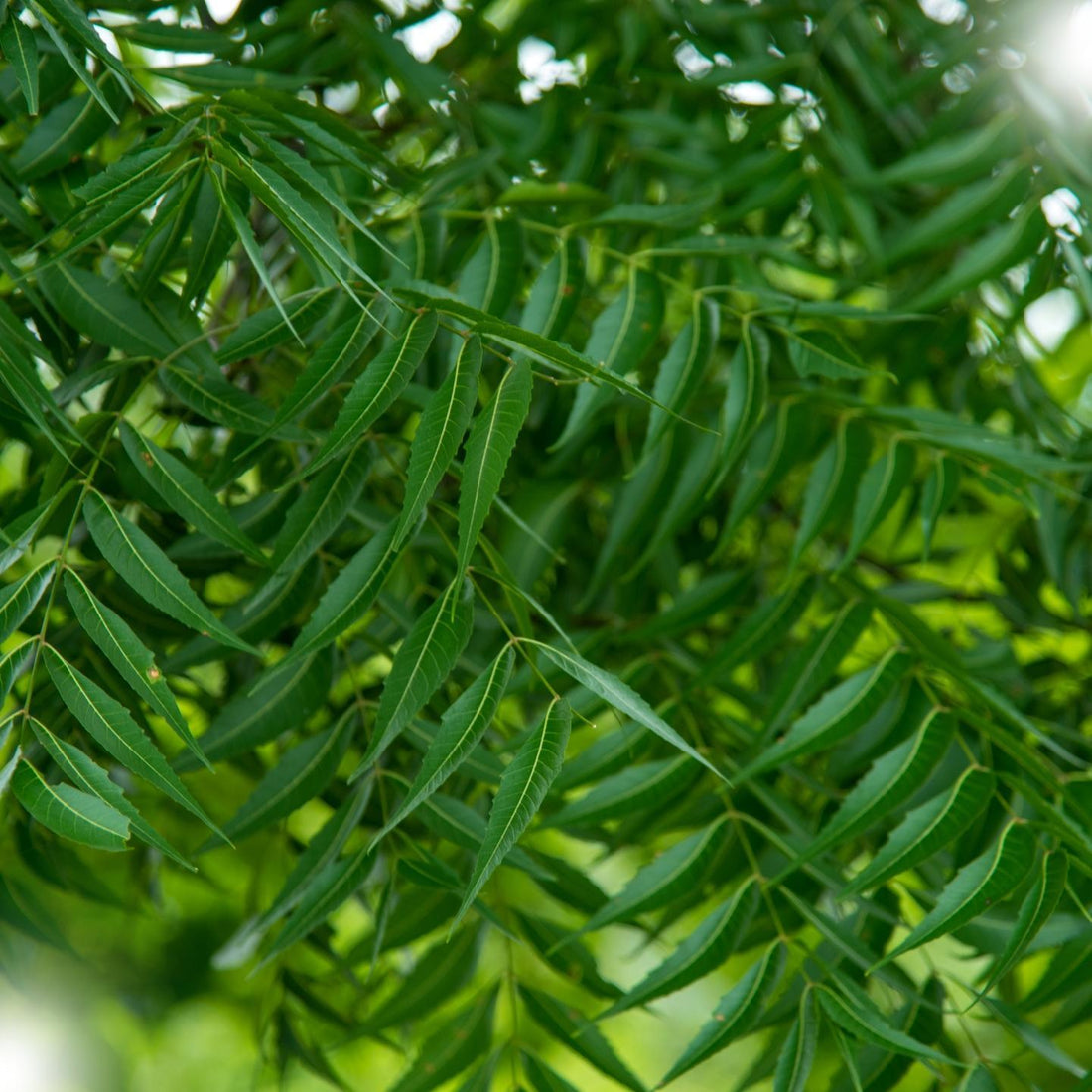
Neem: The Miracle Tree of Ayurveda and Nature’s Green Healer
In the world of Ayurveda, few plants command as much respect as Neem. Known as Azadirachta indica in botanical terms, Neem has earned countless names over thousands of years: “The Village Pharmacy,” “Nature’s Healer,” and “Sarva Roga Nivarini,” meaning “the cure for all ailments.” From ancient healing systems to modern green innovations, Neem’s reputation as a miraculous plant continues to grow.
But what makes Neem so special? Why has it been treasured in Indian households for centuries, and how is it used today? This blog will take you deep into the history, science, health benefits, beauty secrets, and sustainable uses of Neem — a plant that truly bridges tradition and modern wellness.
A Brief History of Neem


Neem’s story stretches back over 4,500 years. Ancient texts like the Charaka Samhita and Sushruta Samhita refer to Neem as a fundamental medicinal plant used in treating skin diseases, infections, dental problems, and more.
-
In Sanskrit, Neem is called Nimba, which means “bestower of good health.”
-
In many Indian villages, Neem trees are planted near homes and temples as a symbol of purity and protection.
-
In folklore, Neem was even believed to ward off evil spirits!
Through centuries, Neem has remained a trusted remedy for people, animals, and even crops. Modern scientific studies have validated many of its traditional uses, propelling Neem onto the global stage as an essential component in natural medicine, agriculture, and personal care.
The Chemistry Behind Neem: What Makes It So Powerful?
Neem’s power lies in its rich cocktail of natural compounds, many of which offer therapeutic benefits:
✅ Azadirachtin – A potent insecticide that disrupts pest reproduction, making Neem a favorite in organic farming.
✅ Nimbin, Nimbidin, and Nimbidol – These compounds give Neem its antibacterial, antifungal, and anti-inflammatory properties.
✅ Gedunin – Demonstrates antifungal and even antimalarial activity.
✅ Quercetin – A strong antioxidant that helps protect cells from damage and inflammation.
Altogether, Neem contains more than 140 biologically active compounds, explaining its multi-purpose nature and effectiveness.
Neem and Ayurveda: Nature’s Timeless Remedy

In the ancient science of Ayurveda, few plants hold as much importance as Neem, known in Sanskrit as Nimba, meaning “bestower of good health.” For thousands of years, this bitter-tasting yet miraculous tree has been revered as a natural healer and protector, earning the nickname “Village Pharmacy.”
Ayurvedic texts praise Neem for its powerful properties: antibacterial, antifungal, antiviral, and blood-purifying. It’s no surprise that Neem is used to balance Pitta and Kapha doshas, helping cool the body, purify the blood, and promote healthy skin.
1. Skin & Beauty Benefits
Neem is a blessing for the skin. Its antibacterial nature makes it effective against acne, blemishes, and infections. Neem paste, oils, and powders are common remedies for soothing irritated skin, reducing pigmentation, and maintaining a clear, glowing complexion.
2. Hair & Scalp Care
In Ayurveda, Neem oil is used to treat dandruff, itchy scalp, and hair fall. It strengthens hair roots, nourishes the scalp, and promotes healthy hair growth.
3. Internal Health
Consumed cautiously under expert guidance, Neem can help manage blood sugar levels, detoxify the body, and boost immunity.
4. A Sustainable Solution
Beyond personal care, Neem is vital in organic farming as a natural pesticide, helping protect crops without harming the environment.
Modern science continues to validate what Ayurveda has known for centuries: Neem is a powerful natural remedy with immense benefits for health, beauty, and the environment. Whether applied on the skin, used in hair oils, or incorporated into daily rituals, Neem remains one of nature’s greatest gifts for holistic well-being
Health Benefits of Neem

Let’s explore why Neem is known as the “Village Pharmacy.” Here are some of its most celebrated health benefits:
1. Purifies Blood
In Ayurveda, Neem is often used to cleanse the blood, helping to eliminate toxins and promote healthy skin. Regular consumption of Neem (in safe, guided doses) is said to support clear skin and better overall health.
2. Supports Healthy Skin
Neem is a superstar in skincare, thanks to its antimicrobial and anti-inflammatory properties. It helps:
-
Reduce acne and pimples
-
Soothe irritated skin
-
Speed up wound healing
-
Manage conditions like eczema and psoriasis
Neem oil and paste are common home remedies for blemishes and minor skin infections.
3. Promotes Oral Health
For centuries, people in India have used Neem twigs as natural toothbrushes. Studies show that Neem:
-
Fights cavity-causing bacteria
-
Helps prevent plaque buildup
-
Maintains healthy gums
-
Freshens breath naturally
Modern toothpaste brands often feature Neem as a key ingredient.
4. Helps Manage Blood Sugar
Preliminary research suggests Neem may help regulate blood sugar levels, making it potentially useful for managing diabetes. However, it’s essential to use it under medical supervision.
5. Boosts Immunity
Neem’s antiviral and antibacterial properties help the body fight infections and keep immunity strong.
6. Promotes Scalp and Hair Health
Neem oil is a go-to for hair care. It helps:
-
Fight dandruff
-
Relieve an itchy scalp
-
Encourage healthy hair growth
-
Prevent lice infestations
Neem in Daily Life: Traditional Uses

Neem’s uses go far beyond medicine. Here’s how traditional households have used Neem for generations:
-
Neem Twigs (Datun): Used as natural toothbrushes for dental hygiene.
-
Neem Leaves: Hung above doors to repel insects and bring good fortune.
-
Neem Water Baths: Used for purification, especially after illness.
-
Neem Oil Lamps: Lit to keep mosquitoes away.
-
Neem Bark Powder: Consumed in tiny doses for various health benefits.
These traditional uses are part of the cultural wisdom passed down through generations in India.
Skin benefit’s of neem?
-
Fights Acne & Pimples
Neem has natural antibacterial properties that help reduce acne-causing bacteria, preventing breakouts and calming existing pimples. -
Reduces Inflammation
Its anti-inflammatory compounds soothe redness, swelling, and irritation, making it excellent for sensitive or acne-prone skin. -
Controls Excess Oil
Neem helps balance sebum production, making it ideal for oily skin and reducing shine. -
Heals Minor Wounds & Cuts
Neem accelerates healing of minor cuts, scratches, and insect bites thanks to its antimicrobial effects. -
Treats Skin Infections
It combats bacterial and fungal infections, helping manage conditions like ringworm and athlete’s foot. -
Helps with Eczema & Psoriasis
Neem’s soothing and anti-inflammatory properties can help relieve itching and irritation associated with chronic skin conditions. -
Brightens Complexion
Regular use of Neem can help fade blemishes, scars, and dark spots, promoting a clearer, more even skin tone. -
Delays Signs of Aging
Rich in antioxidants, Neem fights free radicals that cause premature aging, helping reduce fine lines and wrinkles. -
Purifies the Skin
Neem detoxifies the skin, clearing out impurities and toxins, leaving it fresh and healthy. -
Soothes Itchy Scalp & Dandruff
Applied as an oil or mask, Neem helps calm an irritated scalp and fights dandruff.
Neem in Modern Skincare and Beauty
Today, Neem is a star ingredient in natural beauty products around the world. Here’s how it’s used:
-
Neem Face Wash: Helps control acne and oily skin.
-
Neem Masks: Clarify the skin and reduce blemishes.
-
Neem Lotions and Creams: Soothe irritation and hydrate skin.
-
Neem Hair Oils: Reduce dandruff and improve scalp health.
-
Neem Soaps: Keep skin clean and protected from bacteria.
Consumers love Neem because it offers effective results without harsh chemicals.
How to Use Neem at Home
Interested in adding Neem to your routine? Here are safe ways to use it:
Neem Tea
Steep a few Neem leaves in hot water for 2-3 minutes. Drink in moderation (consult your doctor first) for internal detoxification.
Neem Face Mask
Mix Neem powder with rose water or yogurt. Apply for 10–15 minutes to help reduce acne and blemishes.
Neem Hair Oil
Massage diluted Neem oil into your scalp to fight dandruff and promote hair growth.
Neem Water Bath
Boil a handful of Neem leaves in water, let it cool, and add it to your bath for soothing skin benefits.
Safety and Precautions
Though Neem is natural, it’s powerful and must be used carefully:
-
Oral Use: Never consume large amounts of Neem without medical supervision. Excess intake can be toxic.
-
Pregnancy & Breastfeeding: Avoid Neem supplements during pregnancy and lactation unless advised by a doctor.
-
Skin Sensitivity: Do a patch test before applying Neem oil directly to the skin, as it can be strong and cause irritation in some people.
Neem in Agriculture: An Eco-Friendly Marvel
Neem isn’t just valuable for human health — it’s a game-changer in sustainable agriculture:
Natural Pesticide
Neem oil acts as a bio-pesticide, disrupting the reproductive cycle of harmful insects without harming beneficial ones like bees.
Soil Conditioner
Neem cake, the residue left after oil extraction, is a rich organic fertilizer. It improves soil fertility and protects crops from pests.
Sustainable Farming
Farmers worldwide now embrace Neem as an alternative to harsh chemical pesticides. It’s eco-friendly and safe for both crops and the environment.
Environmental Benefits of Neem
Beyond health and agriculture, Neem offers significant environmental benefits:
1.Grows in arid conditions, helping prevent soil erosion
2.Requires minimal water, making it drought-tolerant
3.Serves as a carbon sink, helping reduce CO₂ levels
4.Supports biodiversity by providing habitat for insects and birds
Planting Neem trees contributes to sustainable ecosystems and helps combat desertification in dry regions.
Fascinating Facts About Neem
- Neem trees can live over 200 years!
- Neem wood is naturally termite-resistant and used for furniture.
- The UN declared Neem as the “Tree of the 21st Century.”
- In India, Neem leaves are often placed in wardrobes to protect clothes from insects.
- Neem oil is used in cosmetics, soaps, pharmaceuticals, and organic farming worldwide.
Myths and Facts About Neem

Myth: Neem is safe in any quantity.
Fact: Neem should always be used in moderation and under guidance for internal use.
Myth: Neem oil can be taken orally.
Fact: Pure Neem oil is for external use only and can be toxic if swallowed.
Myth: Neem is only for skin issues.
Fact: Neem benefits everything from immunity to agriculture.
Conclusion: A Tree That Stands the Test of Time
Few plants in the world offer as many gifts as Neem. It heals, protects, cleanses, and sustains both human health and the planet. From ancient Ayurveda to modern science, Neem’s reputation as a miracle tree remains stronger than ever.
Whether you’re looking for natural beauty solutions, sustainable farming practices, or holistic wellness, Neem has something incredible to offer. However, always remember — nature is powerful, so use Neem wisely and responsibly.